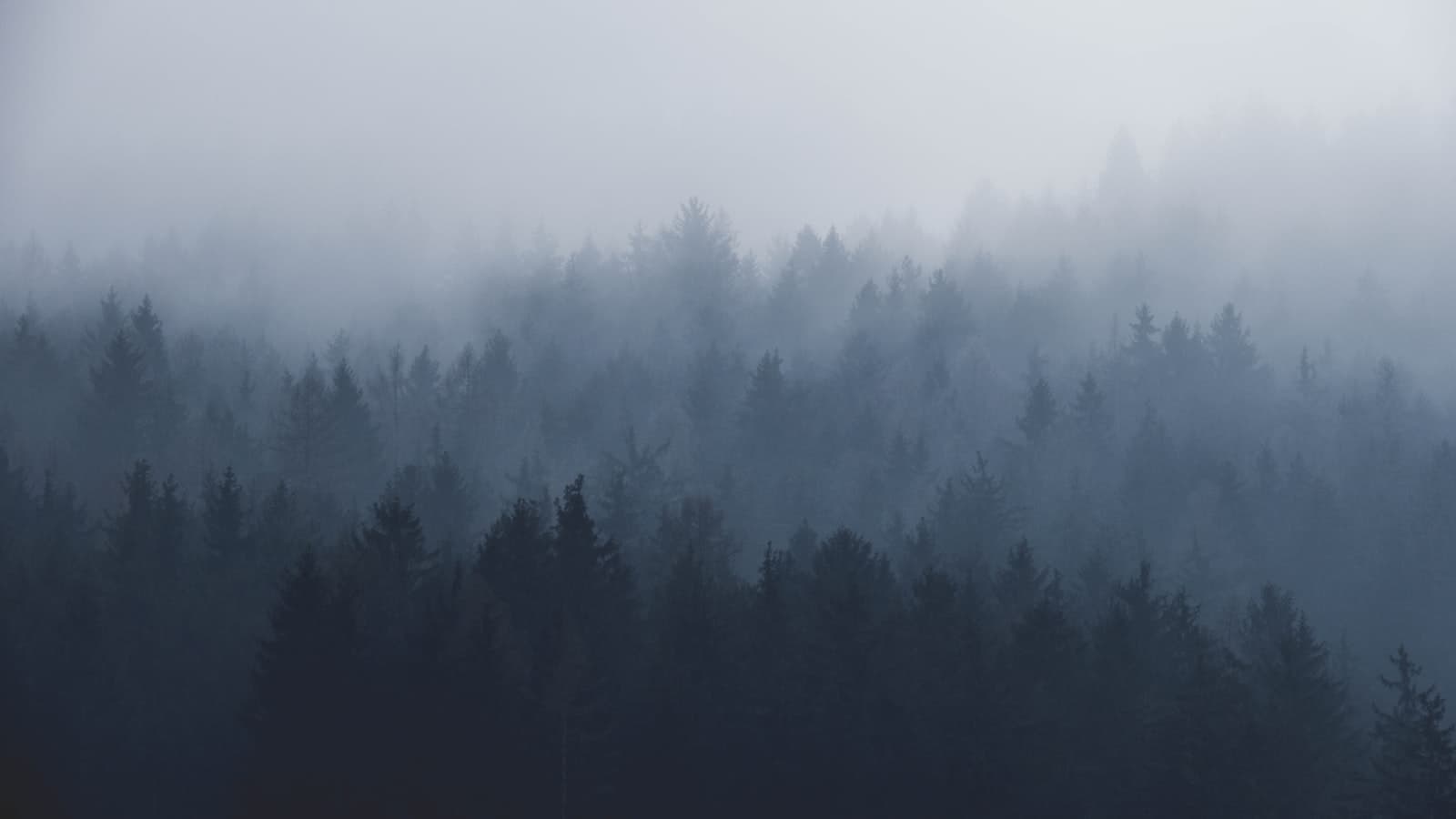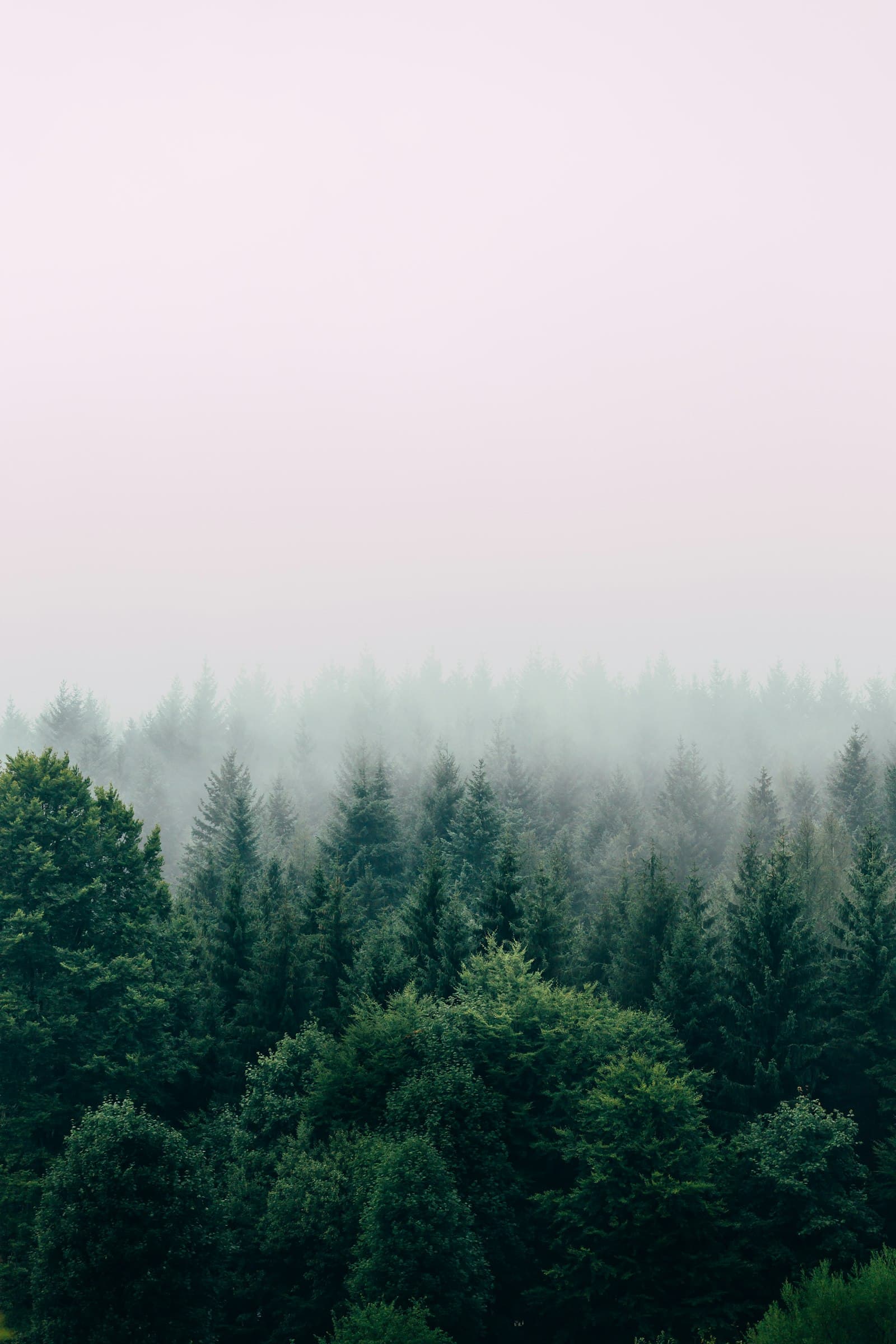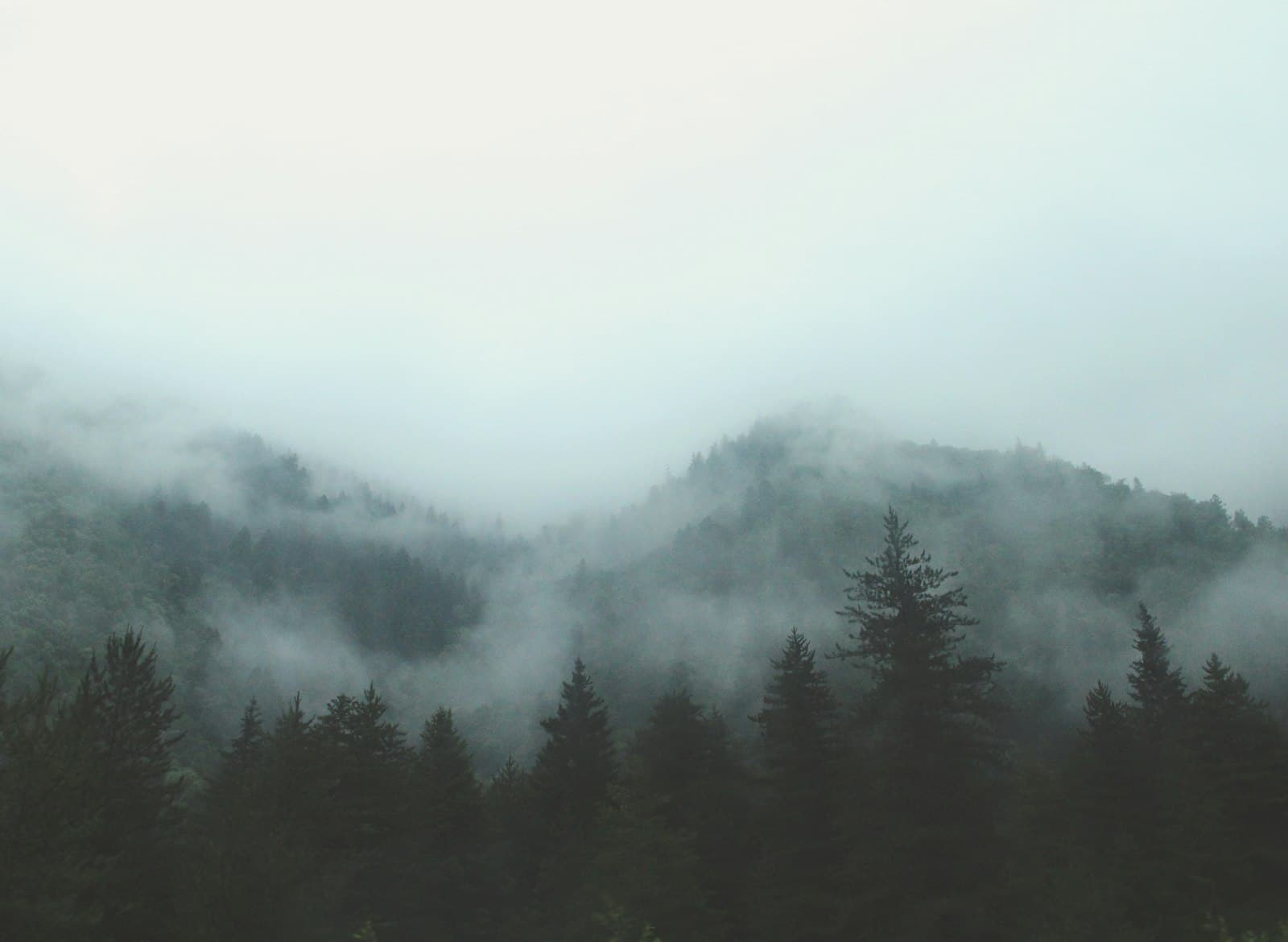
A vast, mist-shrouded ancient forest, its trees rising like the branches of the world-tree Yggdrasil

An atlas of the nine worlds

Norse Cosmology

The whole of Norse creation hangs in the branches and roots of Yggdrasil, the immense ash-tree. Nine realms are bound to it, from the gods' halls high in its crown to the misted dead coiled in its roots. This is the atlas of that tree.

9 realms1 world-treeBound by Bifrost and three roots

The world-tree and the nine realms

Norse cosmology maps the whole of creation onto a single ash tree, Yggdrasil. Nine realms hang from its branches and roots - Asgard, Vanaheim, Alfheim, Midgard, Jotunheim, Muspelheim, Niflheim, Svartalfheim, and Helheim - joined by the burning bridge Bifrost and three deep wells. This atlas walks each one, from the gods' halls high in the crown to the misted dead coiled in the roots.

Chapter I · The centerpiece

Yggdrasil

The World-Ash

Yggdrasil is the immense ash whose branches hold the sky and whose three roots reach into Asgard, Jotunheim, and Niflheim. At its foot the three Norns draw water from the Well of Urd to keep its bark alive, weaving the fates of gods and men in the same act. Every realm below is a leaf on this one tree.

Chapter II · The threshold

Bifrost

The Burning Bridge

Bifrost arcs from Midgard to the gates of Asgard, a bridge of fire, water, and air that mortals see as the rainbow. Heimdall keeps watch at its end with a horn that will sound the start of Ragnarök. It is beautiful and guarded for the same reason - it is the one road the giants cannot easily take.

Chapter III · Odin's hall

Valhöll

Valhalla

Valhalla is Odin's hall within Asgard, its rafters spears and its roof shields, built to house half of those who die honorably in battle. There the einherjar feast each night and fight each day, training for the war that ends the world. Odin gathers them for one reason only - Ragnarök is coming, and he needs an army.

Chapter IV · Before the worlds

Ginnungagap

The Yawning Void

Before the nine worlds, before Yggdrasil itself, there was Ginnungagap - an immense emptiness between the fire of Muspelheim and the ice of Niflheim. Where their heat and cold met, the meltwater stirred into the first living shape, the giant Ymir. Every realm that exists began as the answer to this one vacancy.

Chapter V · Realm one of nine

Ásgarðr

Asgard

Asgard is the high fortress of the Æsir, Odin's realm and the seat of his hall Valhalla. Thor, Frigg, Baldr, and the rest of the ruling gods keep court here, reached from Midgard only by the rainbow bridge Bifrost. It is a realm built for war as much as for majesty, walled against the giants who never stop testing it.

Chapter VI · Realm two of nine

Miðgarðr

Midgard

Midgard is the realm of women and men, set at the center of the nine worlds and ringed entirely by an ocean where the serpent Jörmungandr lies coiled around the earth, gripping its own tail. A single strand of Bifrost connects it upward to Asgard. Everything the gods do, for good or for ruin, eventually reaches down to this middle ground.

Chapter VII · Realm three of nine

Múspellsheimr

Muspelheim

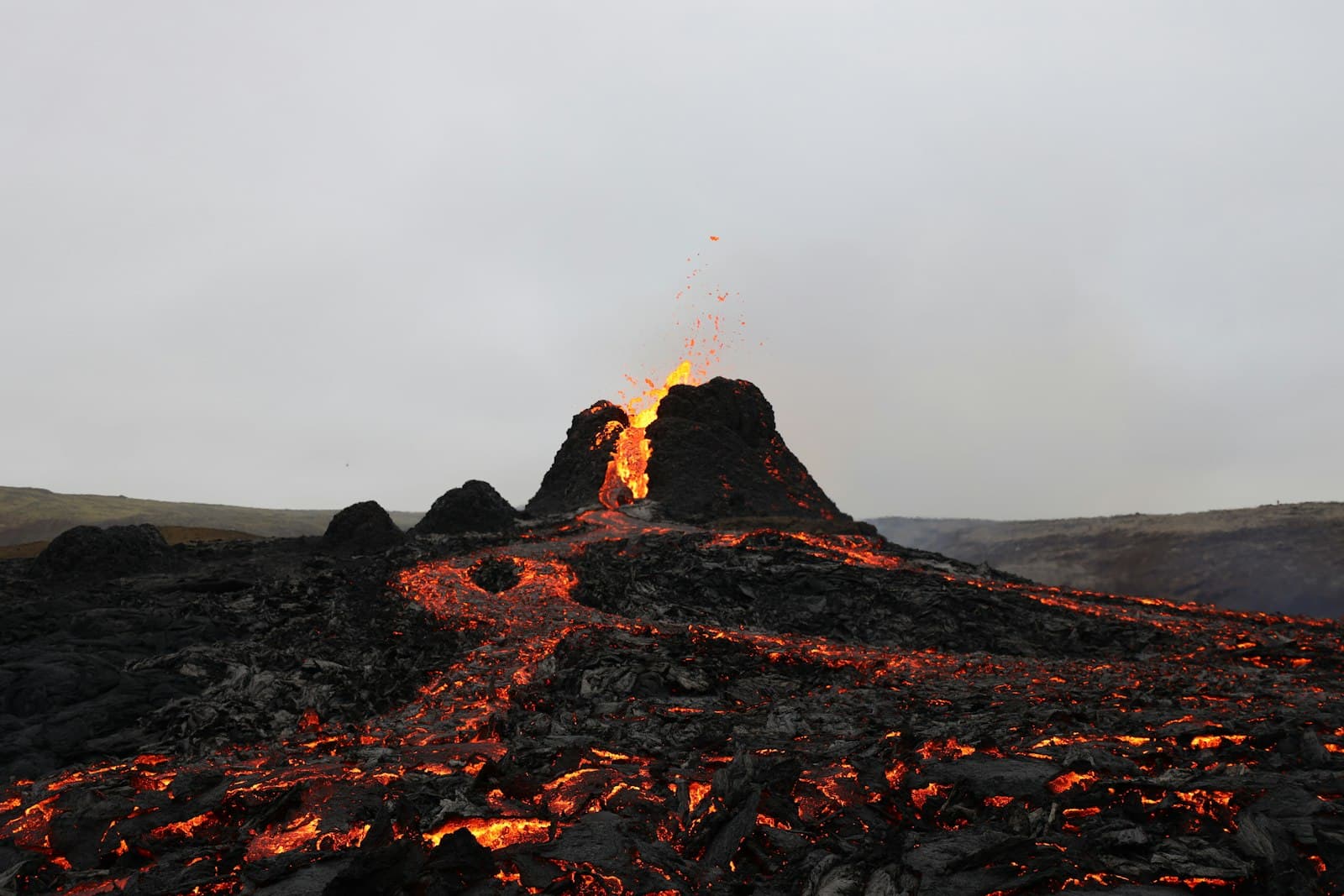
Muspelheim is the primordial homeland of fire, blazing since before the first world took shape. It is ruled by the giant Surt, who guards its border with a flaming sword and will lead his fire-giants across Bifrost, shattering it, on the day of Ragnarök. Muspelheim does not merely burn - it is the fire that ends everything.

Chapter VIII · Realm four of nine

Niflheimr

Niflheim

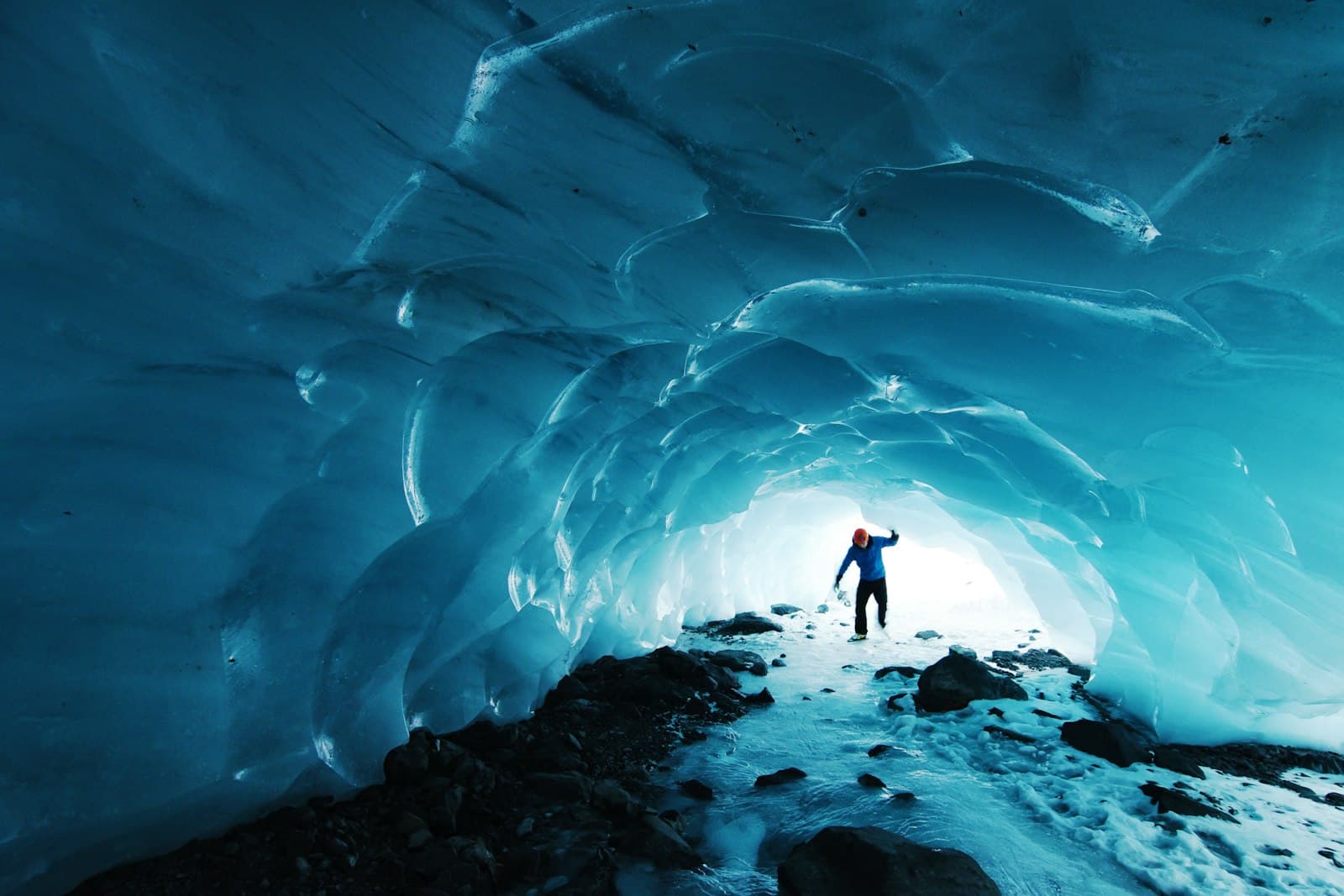
Niflheim is one of the two primordial realms, a world of cold and fog that existed before Midgard was ever shaped. From it rises Hvergelmir, the roaring spring that feeds every river in the nine worlds - including the poisonous rivers that once met Muspelheim's heat to spark creation. Its ice is not death but origin, the raw material the gods later shaped into everything else.

Chapter IX · Realm five of nine

Hel

Helheim

Helheim lies beneath one of Yggdrasil's roots, a cold and quiet country ruled by the goddess Hel, who was given dominion over those who die of sickness or old age rather than in battle. Half her face is described as living flesh, half as a corpse - a body that mirrors her realm's place between the worlds of the living and the truly gone. She answers to no one, not even Odin, once a soul is hers.

Four realms of nine, in brief

Vanaheim, Alfheim, Jotunheim, and Svartalfheim complete the atlas - smaller entries here, full chapters on their own pages.

Ragnarök

The doom of the gods, the final battle where Odin, Thor, and their kin fall against the giants, and the nine worlds burn and sink beneath the sea.

The Norns and Wyrd

Urd, Verdandi, and Skuld, the three Norns who tend Yggdrasil's roots and carve wyrd, the fate of every god and every mortal.

The Well of Urd

The sacred spring at Yggdrasil's base, where the Norns draw water each day to keep the world-tree from rotting.

Jörmungandr

The world-serpent, child of Loki, grown so vast that it circles Midgard's ocean and grips its own tail.

Common questions about Norse cosmology

The nine realms, the world-tree, and the bridges between them - answered.

How is Norse cosmology structured?

Norse cosmology maps all of creation onto a single ash tree, Yggdrasil. Nine realms hang from its branches and roots, joined by the burning bridge Bifrost and three deep wells. The tree is the frame that holds gods, humans, giants, elves, dwarves, and the dead in one structure.

Where should I start exploring the Norse worlds?

Begin with Yggdrasil, the world-tree that binds every realm, then follow the great realms outward: Asgard, Midgard, and the fiery and frozen worlds at the edges. Each realm has its own page in this atlas, and the concepts strip links the threads that cross between them.

Are the nine realms places or symbols?

The medieval Norse sources treat the realms as real locations within the world-tree, yet each also carries a clear symbolic role: fire and ice as origin, the middle earth of mortals, and the cold country of the dead. This atlas presents both the geography and the meaning of each world.

How does Norse cosmology connect to the runes?

The world-tree sits at the heart of both. Odin won the runes by hanging nine nights on Yggdrasil, sacrificing himself to himself for their wisdom, so the map of the worlds and the origin of the runes share the same tree at their center.

How many worlds are there in Norse mythology?

Nine. The Norse sources name nine realms bound to the world-tree Yggdrasil: Asgard, Vanaheim, Alfheim, Midgard, Jotunheim, Muspelheim, Niflheim, Svartalfheim, and Helheim. They range from the gods' high halls in the crown to the fire and ice at the edges and the misted dead in the roots.

What is at the center of Norse cosmology?

Yggdrasil, the immense ash-tree, stands at the center. Every realm hangs from its branches or roots, and its three great roots reach into Asgard, Jotunheim, and Niflheim. The three Norns tend it at the Well of Urd, and Odin won the runes by hanging nine nights upon it.

Duolingo - But for learning runes

Full rune descriptions in your pocket whenever you need them. In one app.