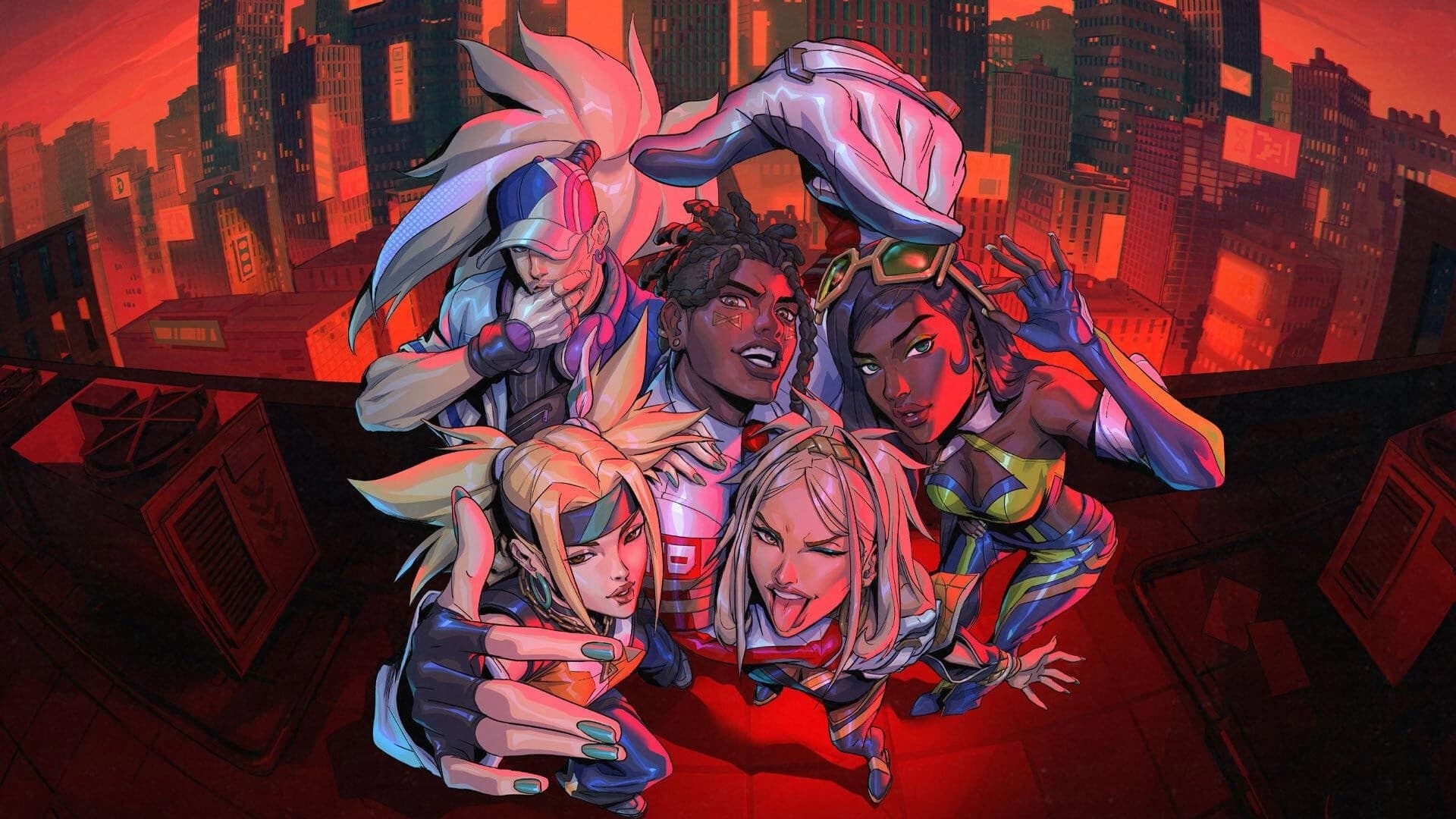
In League of Legends the word "rune" appears before the match even loads: in champion select you pick a keystone, three runes from a primary path and two from a secondary one. In Dota 2 it appears at 6:00 on the game clock, when a glowing Power Rune spawns in the river and both mid players run for it. Two of the biggest games on the planet use the same old word, and neither one writes anything with it.
No. The runes in League of Legends and Dota 2 are bonuses, not letters. League's are perks you equip before the match; Dota's are power-ups you pick up during it.
This guide is a roundup, because the two answers share one family tree. Both games grew out of the same Warcraft III custom map, both inherited the word from it, and both kept it long after the thing it named had changed. Riot's own game data gives the plainest answer of all: in League of Legends' files, a rune is called a perk.
What a rune is in League of Legends
A League of Legends rune is a pre-match perk. You build a rune page before the game, and it gives your champion a fixed set of effects for the whole match.
The current system is Runes Reforged, introduced for the 2018 preseason in patch 7.22, in late 2017. It has five paths:
- Precision: improved attacks and sustained damage
- Domination: burst damage and target access
- Sorcery: empowered abilities and resource manipulation
- Resolve: durability and crowd control
- Inspiration: creative tools and rule bending
A page takes one keystone and three lesser runes from a primary path, two lesser runes from a secondary path, and three stat shards from a separate row. There are 17 keystones in all, among them Conqueror, Electrocute, Summon Aery, Arcane Comet and Grasp of the Undying. Players can save up to 25 pages.
The system it replaced dated back to the game's launch on 27 October 2009. Each old rune page held 30 stat stones: 9 marks, 9 seals, 9 glyphs and 3 quintessences, each adding a sliver of attack damage, armour or mana. They were bought with Influence Points, and a full collection of every top-tier rune cost 388,071 IP. Runes Reforged absorbed that system and the old Masteries into one, and kept the name everyone already used.
What a rune is in Dota 2
A Dota 2 rune is a pick-up. It appears at a fixed spot on the map, on a fixed clock, and the first hero to touch it gets the effect. There are ten kinds.
| Rune | Type | When it spawns | What it gives |
|---|---|---|---|
| Bounty | Resource | 0:00, then every 4 minutes in the jungles | Gold |
| Water | Resource | 2:00 and 4:00 in the river | A little health and mana |
| Wisdom | Resource | 7:00, then every 7 minutes at the map edges | Experience |
| Amplify Damage | Power | From 6:00, every 2 minutes in the river | 80% bonus attack damage, 15% spell amplification |
| Arcane | Power | Same cycle | 25% cooldown reduction |
| Haste | Power | Same cycle | Movement speed |
| Illusion | Power | Same cycle | Two illusions of the hero |
| Invisibility | Power | Same cycle | Invisibility |
| Regeneration | Power | Same cycle | Health and mana regeneration |
| Shield | Power | Same cycle | A barrier worth half the hero's maximum health |
Power Runes spawn at one random river spot and never repeat until all seven have appeared. A hero carrying a Bottle can store a rune and use it later, which is why controlling the river at every even minute is one of the first skills a mid player learns.
The list has grown patch by patch. Illusion arrived in version 6.09, Bounty in 6.82, Arcane in 6.86, Water in 7.29, and Wisdom and Shield together in 7.33. Patch 7.35 renamed Double Damage to Amplify Damage. A set that keeps growing by new effects is the first sign you are not looking at an alphabet.
Where the word came from
Here is the family tree, and it does not pass through Scandinavia.
Warcraft III (2002) already used "rune" for small magic items. Its Rune of Healing, for example, restores 250 hit points to every friendly unit nearby. A modder known as Eul built the first Defense of the Ancients map in Warcraft III's World Editor in 2003. In the DotA Allstars version, the 4.0 beta builds added a new kind of item: power-ups that appeared near the river, called runes.
The first four were Haste, Double Damage, Regeneration and Invisibility. If those sound like an arena shooter, they should. The Double Damage pickup sound added a few betas later shouted "QUAD DAMAGE!", the name of the famous power-up from id Software's Quake series, still there in Quake III Arena (1999). The DotA rune is a shooter power-up wearing a fantasy word.
Then the map split into two companies. Steve "Guinsoo" Feak, who ran DotA Allstars from March 2004, joined Riot Games and helped design League of Legends, released in October 2009. IceFrog, who took over the map after him, was hired by Valve in 2009 to build Dota 2, released in July 2013. Both studios brought the word with them, and each attached it to a different system.
Riot's own code calls them perks
This is the cleanest proof that a MOBA rune is not a rune. The League of Legends Wiki notes that runes are "referred to internally as perks", and the game's data files store every rune icon under a folder of perk images.
That is the honest name. A keystone such as Electrocute is a conditional bonus: hit an enemy champion with three separate attacks or abilities within 3 seconds and deal extra damage. Grasp of the Undying is another: in combat, your next attack on a champion every few seconds deals bonus damage, heals you and permanently adds a little maximum health. These are perks in exactly the sense any role-playing game uses the word. "Rune" survives because players had used it since 2009, and changing the name on a game with millions of players costs more than it gains.
Dota 2 is just as clear from the other side. Its own lore says the origin of the Runes of Power is "unknown and unknowable". The war god Mars, picking one up, says: "Even I don't know where they come from... And I'm a god!" A real rune never had that problem. Every Elder Futhark letter has a known sound and a reconstructed name, and the alphabet's history can be traced inscription by inscription.
League of Legends and Dota 2 runes vs. the Elder Futhark
| Feature | League of Legends (2009) / Dota 2 (2013) | Elder Futhark |
|---|---|---|
| What one sign is | A perk (LoL) or a map power-up (Dota 2) | A letter with a sound, a name and a meaning |
| How many | 17 keystones and dozens of lesser runes (LoL); 10 kinds (Dota 2) | 24 |
| How the set grows | A new rune for every new effect, patch by patch | It does not; the letters recombine |
| How a sign means | Its icon pictures its effect | Arbitrarily, by sound |
| Can it be read? | No, nothing is encoded | Yes, once you learn the letters |
| Where you find it | A menu before the match, or the river during it | Stone, wood, bone and metal |
| In use | Since 2003 in DotA, 2009 in League | Roughly 150 to 800 CE |
The real runes, briefly
The Elder Futhark is a real alphabet of 24 letters, used by Germanic peoples from roughly 150 to 800 CE and cut into stone, wood, bone and metal. Each letter is a sound, a name and a word at once. That is what a MOBA rune lacks: a sound.
The meanings are older and plainer than the games suggest. The first letter, Fehu, means cattle, the old measure of wealth, so if any real rune stands for a Bounty Rune, it is this one. Laguz means water and the lake. Dota 2's Water Rune refills a hero's health and mana. Laguz is a letter for the sound L, and it can sit inside any word that needs one.
In Norse tradition the runes carried more than sounds. Odin wins them by hanging nine nights on Yggdrasil, pierced by his own spear. From there people used them as charms and protections, combined them into bindrunes and sigils to hold a focused intent, and read them for guidance in a practice that continues today.
Why Runeterra and the Dota map have no room for real runes
League of Legends is set on Runeterra, a world whose history turns on the World Runes, invented artefacts of immense power, and the Rune Wars fought over them. Its icy northern region, the Freljord, borrows a Nordic look, but its gods and history are Riot's own. Dota 2 is set in a world of its own gods, with no Odin and no Eddas.
Both games also need something an alphabet cannot give them. A MOBA rune has to be readable at a glance in the middle of a fight, so its icon must picture its effect: a lightning bolt, a clawed hand, a small spirit. A letter is the opposite. It is useful because it pictures nothing and can be reused in any word.
So the choice was sensible. The word is just older than the system it now names. In the Diablo II guide you can see the same word take a third path, into socketed gems with a rarity ladder, and Elden Ring turns it into money.
Want runes you can actually read?
League of Legends gives you 17 keystones you can swap before every match, and Dota 2 gives you ten power-ups you fight over every two minutes. The Elder Futhark gives you 24 letters that have not changed in centuries, and they say something.
The easiest way in is to draw one. You can cast a free rune reading in your browser right now, using the genuine Elder Futhark and their traditional meanings, with a quick single draw for a fast question or a fuller spread for something weightier. Pull a rune of the day before your first queue and learn the futhark one sign at a time, or read how online rune readings work first. The rest of the series lives on the runes in games hub, including Valheim, the one game that puts the real futhark on screen, and The Witcher 3.
Your rune page changes with the meta, and the river rune is gone in two minutes. A real rune is still readable on a stone 1,500 years later. , free on iOS, Android, and the web, in English and Russian.
Frequently asked questions
Are the runes in League of Legends and Dota 2 real runes?
No. Neither game uses a single letter of the Elder Futhark or any other historical runic alphabet. League of Legends runes are pre-match perks chosen from five paths, and Dota 2 runes are glowing power-ups that appear on the map. Neither carries a sound, a letter name or a meaning you could read. The word is a label for a bonus.
Why does League of Legends call them runes?
Because the name was inherited, not chosen for accuracy. League launched in 2009 with runes already in place: 30 stat stones per page bought with Influence Points. In late 2017 Riot replaced them and the Masteries system with Runes Reforged, and kept the familiar name. Its own game data still files every rune under perks, which is what they are.
Why are they called runes in Dota 2?
The name comes from DotA, the Warcraft III custom map Dota 2 is built on. Warcraft III already had items called runes, such as the Rune of Healing, and DotA Allstars added river pickups under the same word. The first four were Haste, Double Damage, Regeneration and Invisibility, and Double Damage announced itself with a shouted 'QUAD DAMAGE!' borrowed from Quake.
How many runes are there in Dota 2?
Ten kinds. Seven are Power Runes that spawn in the river: Amplify Damage, Arcane, Haste, Illusion, Invisibility, Regeneration and Shield. Three give basic resources: Bounty Runes for gold, Wisdom Runes for experience and Water Runes for a small top-up of health and mana. Amplify Damage was called Double Damage until patch 7.35 renamed it.
When do runes spawn in Dota 2?
On a fixed clock. Four Bounty Runes appear at 0:00, then new ones every 4 minutes in each team's jungle. Water Runes spawn in the river at 2:00 and 4:00 only. Power Runes start at 6:00 and return every 2 minutes at one random river spot. Wisdom Runes appear at the map edges every 7 minutes, starting at 7:00.
What are the five rune paths in League of Legends?
Precision for improved attacks and sustained damage, Domination for burst damage and target access, Sorcery for empowered abilities, Resolve for durability and crowd control, and Inspiration for creative tools and rule bending. A page takes one keystone and three runes from a primary path, two runes from a secondary path, and three stat shards.
How many keystones are in League of Legends?
Seventeen across the five paths, according to the League of Legends Wiki. Precision and Sorcery offer four each, including Conqueror, Lethal Tempo, Summon Aery and Arcane Comet. Domination, Resolve and Inspiration offer three each, such as Electrocute, Grasp of the Undying and First Strike. You take exactly one keystone per page, from your primary path.
What were the old runes in League of Legends?
Before late 2017 a rune page held 30 small stat bonuses: 9 marks for offence, 9 seals for defence, 9 glyphs for magic and 3 quintessences for the biggest single effects. They were bought with Influence Points, and a full set of every top-tier rune cost 388,071 IP. Runes Reforged in patch 7.22 replaced them entirely.
What does a League of Legends rune look like compared to a real rune?
A League rune is a painted icon: a lightning bolt for Electrocute, a clawed hand for Grasp of the Undying, a small spirit for Summon Aery. Each icon pictures its effect. A real Elder Futhark rune is a few straight strokes, built to be cut into wood with a knife, and it pictures nothing. Its meaning comes from its sound.
Can you bottle runes in Dota 2?
Yes. A hero carrying a Bottle stores a rune automatically on pickup and can activate it later, which is why mid players fight over the river at every rune spawn. A stored rune also refills the Bottle's charges. Real runes were stored too, but differently: carved into a stone or a comb, they kept a message for centuries.
Is Runeterra based on Norse mythology?
No. Runeterra, the world of League of Legends since Riot's 2014 lore reboot, is built around the World Runes, invented artefacts of immense power, and the Rune Wars fought over them. Its northern region, the Freljord, borrows a Nordic look with ice, longhouses and warring tribes, but its gods and history are Riot's own. No Norse god or Edda appears.
Is there a real rune called Haste or Bounty?
Not by those names, but the ideas exist. The first rune of the Elder Futhark, Fehu, means cattle, the old measure of wealth, which is as close as history gets to a Bounty Rune. Laguz means water and the lake. Dota 2's Water Rune refills a hero. Laguz is a letter for the sound L.
Do any MOBAs use real runes?
Not as a working alphabet. MOBAs use the word for a modular bonus: a perk in League of Legends, a pickup in Dota 2. The one game in our series that puts the genuine Elder Futhark on screen is Valheim, and even there the runes spell English. A MOBA rune never spells anything.
Where can I try a real rune reading online?
You can cast a free rune reading in your browser with the Way of the Runes rune-reading tool. It uses the genuine 24 Elder Futhark runes and their traditional meanings, with quick single draws for a fast question and fuller spreads for something weightier, and a full description for every rune. It works on any device, in English and Russian.
Which rune are you?
Seven questions, about a minute, and you get one of the 24 Elder Futhark runes. The scoring is shown as you answer. Free, no signup.